

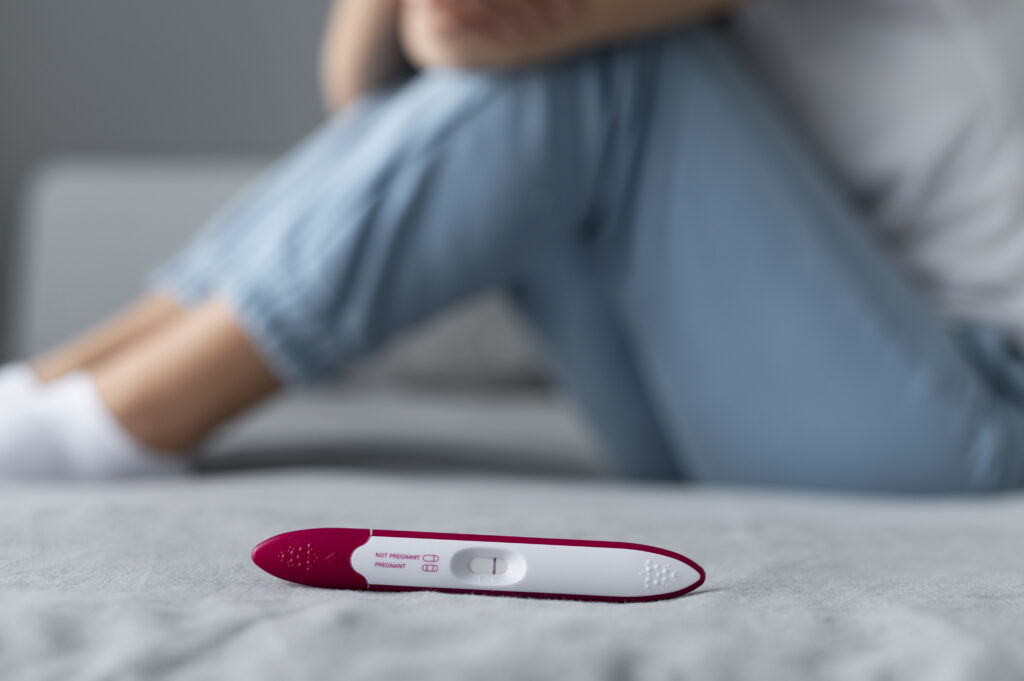
The journey to pregnancy is an exciting stage, but for some couples, the path can be longer and more challenging than expected. If you have been trying to conceive for some time without success, it is natural for questions and concerns about your reproductive health or that of your partner to arise. Recognizing the warning signs early and knowing when to seek specialist help is crucial. This article will guide you through the key indicators of fertility problems and what you should do next.
What is Considered a Fertility Problem?
Before panicking, it is important to understand the medical definition of infertility. Infertility is typically defined as the inability to achieve a pregnancy after 12 months or more of regular, unprotected sexual intercourse in couples where the woman is under 35 years old. If the woman is 35 years or older, this period is reduced to 6 months.
It is a common misconception that infertility is solely a “woman’s issue.” In fact, the causes of difficulty conceiving are divided quite equally: one-third are due to male factors, one-third to female factors, and the remaining third to combined or unexplained causes. Therefore, the evaluation process must involve both partners.
Warning Signs in Women
There are several physical and medical history indicators that may suggest the presence of fertility problems in women.
Menstrual Cycle Issues

The menstrual cycle is the main barometer of female reproductive health. Any abnormality can be a sign that ovulation (the release of an egg, essential for pregnancy) is not occurring regularly or properly.
- Irregular Cycles (Oligo/Amenorrhea): If your menstrual cycles are highly variable—for example, lasting less than 21 days or more than 35 days—or if you stop having them altogether (amenorrhea). This often indicates an ovulation problem, with Polycystic Ovary Syndrome (PCOS) being a common cause.
- Very Heavy or Painful Bleeding (Dysmenorrhea): If pelvic pain is intense, especially during menstruation or sexual intercourse (dyspareunia). This could be a symptom of endometriosis or uterine fibroids.
Prior Medical History
Certain health conditions or previous surgeries also increase the risk of fertility problems:
- Advanced Age: Starting at age 35, the quantity and quality of eggs begin to decline more rapidly. At 40, the chance of conceiving naturally decreases significantly.
- Pelvic Inflammatory Disease (PID): An infection that is often a complication of untreated sexually transmitted infections (STIs). It can cause scarring and blockage of the fallopian tubes.
- Abdominal or Pelvic Surgeries: Previous operations that may have left scar tissue (adhesions) near the uterus, ovaries, or tubes.
Would you like to know how a Fertility center can help you? click here
Warning Signs in Men

Male fertility problems mainly focus on sperm production, quality, and delivery. Unlike women, external signs are usually less obvious.
- Sexual Problems: Difficulty getting or maintaining an erection (erectile dysfunction) or ejaculation problems.
- Pain or Swelling in the Testicular Area: This could indicate an underlying problem such as varicocele (dilated veins in the scrotum), one of the most common causes of male infertility.
- History of Illnesses: History of sexually transmitted infections, mumps after puberty, testicular or inguinal surgeries, or exposure to chemotherapy/radiation.
The only certain way to evaluate male fertility is through a semen analysis (spermiogram), which measures the concentration, motility, and morphology of the sperm.
Risk Factors for Both
In both men and women, certain lifestyle habits can negatively impact reproductive capacity and be indicative of potential fertility problems.
- Extreme Weight: Being overweight or obese, as well as being underweight, can alter hormone balance and affect ovulation in women and sperm quality in men.
- Smoking and Alcohol Consumption: Smoking and excessive alcohol consumption have been shown to significantly reduce fertility in both sexes.
- Chronic Stress: Although difficult to measure, sustained stress can influence reproductive hormones.
- Exposure to Toxins: Exposure to pesticides, certain industrial chemicals, and heavy metals can affect reproductive health.
Visit a Fertility Clinic
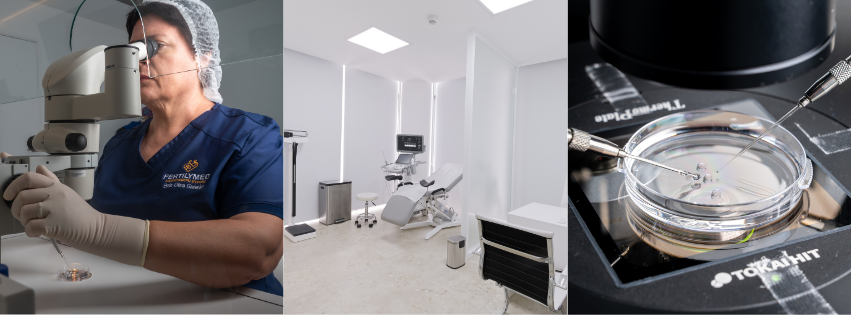
If you have identified that you or your partner show any of the mentioned warning signs, or if you meet the time criteria (12 months if under 35, or 6 months if 35 or older) without achieving pregnancy, it is time to seek specialized help. At FertilyMed, we understand the sensitivity of this process and are ready to support you. We offer a comprehensive fertility evaluation for both men and women, using state-of-the-art technology and a human, personalized approach.
We invite you to book your first consultation with us to start the diagnostic process, resolve all your doubts about your fertility problems, and design a treatment plan that brings you closer to your dream of becoming a parent with assisted reproduction.
First Steps Towards Diagnosis
Once you decide to seek professional help, the diagnosis of fertility problems will follow a logical path:
- Initial Consultation and History: The fertility specialist will gather a detailed medical history from both members of the couple.
- Basic Female Tests: These may include blood tests to measure hormones (such as FSH, LH, Estradiol, AMH), and a pelvic ultrasound to evaluate the uterus and ovaries (antral follicle count). A Hysterosalpingogram (HSG) may also be requested to check the patency of the fallopian tubes.
- Basic Male Tests: The semen analysis is the initial and most important test for evaluating male fertility.
Timely identification of the underlying cause of your fertility problems is the first and biggest step towards a solution. You are not alone on this journey. With the guidance of a team of specialists like FertilyMed‘s, you can find the right path to build your family.